Questions to Ask Your Wedding Photographer Before Booking
A Guide for Couples Who Want Exceptional Wedding Photos
Choosing your wedding photographer is one of the most important decisions you’ll make during the planning process. Long after the cake is eaten and the flowers are gone, your photos are what remain. They’re the visual record of your wedding day and the way you’ll revisit those moments for decades to come.
Yet many couples choose a photographer based on a few Instagram posts or a quick price comparison. That approach often leads to disappointment because beautiful photos online don’t always mean a photographer is experienced, organised, or capable of handling a full wedding day.
If you want to avoid stress and ensure your photos truly reflect the atmosphere of your wedding, there are specific questions every couple should ask before booking a photographer.
This guide breaks down the most important questions to ask your wedding photographer before booking so you can feel confident in your decision and know exactly what you’re investing in.
Why Choosing the Right Wedding Photographer Matters
A professional wedding photographer does far more than take photos. They help shape the structure of your day, guide you through portraits, manage timelines, and handle unpredictable situations calmly.
Experienced photographers know how to:
Work with difficult lighting
Manage large family group photos efficiently
Capture emotional moments without disrupting them
Keep timelines running smoothly
Adapt quickly when things don’t go to plan
When couples choose purely based on price or social media popularity, they often overlook these critical skills.
Asking the right questions helps you understand whether a photographer truly has the experience and professionalism to document your wedding properly.
1. Can We See Full Wedding Galleries?
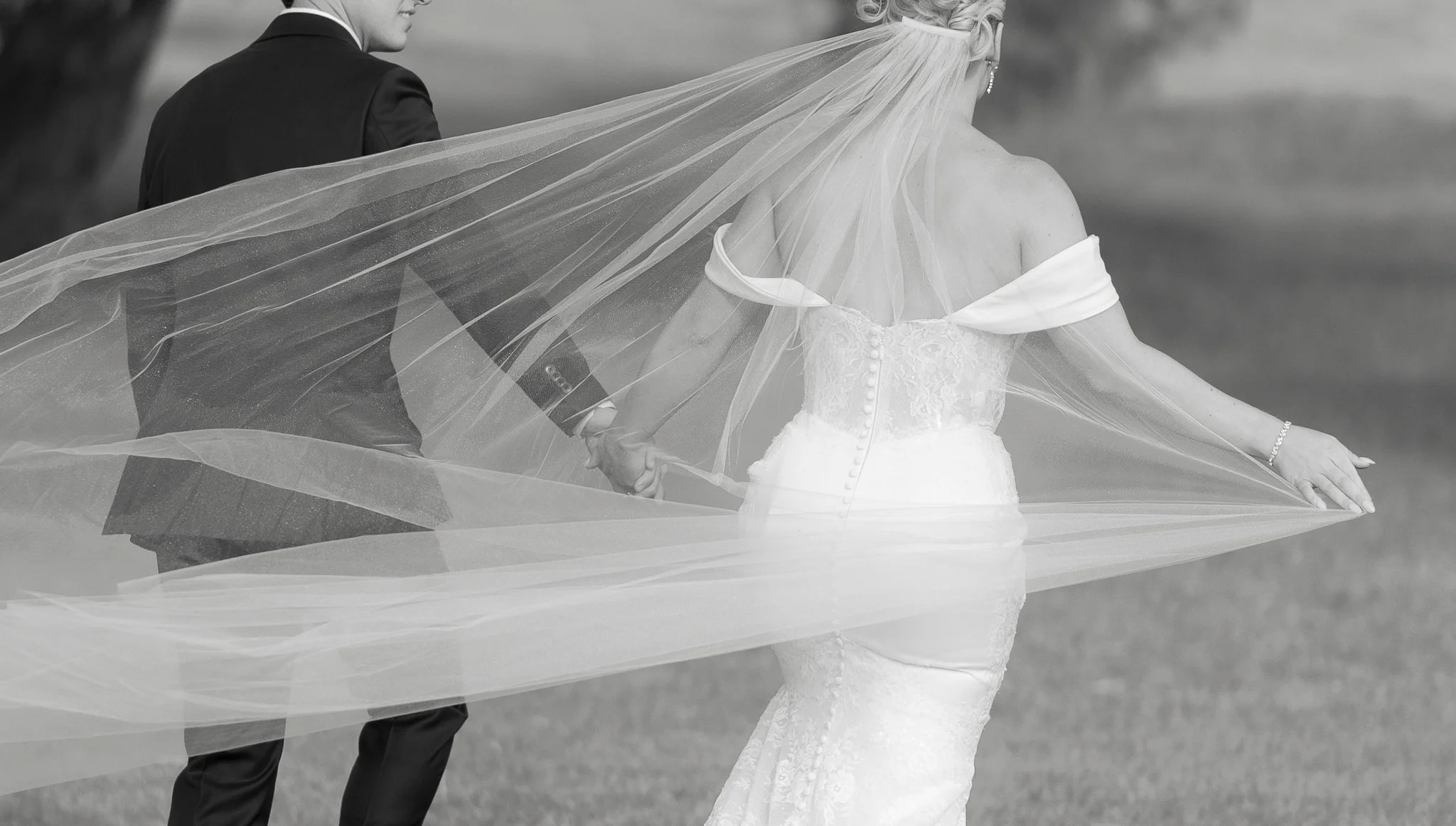
One of the biggest mistakes couples make is only looking at highlight photos on Instagram or websites.
Those images are usually the absolute best moments from dozens of weddings. They don’t show consistency.
A full wedding gallery tells you far more about a photographer’s work.
When reviewing full galleries, pay attention to:
How they photograph getting ready moments
Whether family photos are organised and clean
How they handle reception lighting
The consistency of their editing style
How they capture candid moments throughout the day
A strong photographer should confidently share multiple full galleries so you can see exactly what your own wedding might look like.
If a photographer avoids this question, consider it a warning sign.
2. How Experienced Are You With Weddings?
Weddings move quickly and there’s very little room for mistakes. Unlike other types of photography, there are no second chances for key moments like the ceremony, first kiss, or speeches.
That’s why experience with weddings specifically matters.
A photographer who understands how wedding days unfold will know how to anticipate moments before they happen. They’ll understand timelines, lighting changes throughout the day, and how to handle unexpected situations calmly.
For example, experienced wedding photographers are comfortable navigating things like:
Tight timelines that run behind schedule
Changing weather conditions
Large family photo combinations
Low-light reception environments
Emotional moments that unfold quickly
Rather than reacting after something happens, they’re already positioned and ready to capture it.
When speaking with a potential photographer, ask about their experience with full wedding days and how they approach different parts of the celebration. A confident professional should be able to clearly explain how they prepare for a wedding and how they ensure nothing important is missed.
Ultimately, you’re not just hiring someone to take photos. You’re choosing someone who knows how to guide, support, and document your day from start to finish.
3. How Would You Describe Your Photography Style?
Every wedding photographer has a different creative approach.
Understanding their style helps you determine whether their work aligns with your vision.
Some common styles include:
Documentary / candid photography
Focused on capturing authentic moments as they happen. More likely to stand back and take photos rather than help with posing.
Editorial or fashion-inspired photography
More posed and structured, often with dramatic compositions.
Light and airy photography
Soft colours and bright tones.
Moody and cinematic photography
Darker tones and high contrast.
Ask your photographer how they approach a wedding day and how much direction they provide.
Some couples love being guided through poses, while others prefer a more natural, documentary approach.
The key is making sure your expectations match the photographer’s style.
4. Do You Help With Wedding Timelines?
A great photographer doesn’t just show up and take photos. If you have chosen to not hire a wedding planner, they help shape the timeline so the day runs smoothly.
Lighting conditions, travel time between locations, and portrait scheduling all impact the quality of your photos.
For example:
Golden hour portraits are usually the most beautiful images of the day. An experienced photographer will recommend setting aside time during sunset for this.
Similarly, rushing family photos or planning portraits during harsh midday sun can lead to unnecessary stress.
Professional photographers often help couples:
Build a photography timeline
Plan when portraits should happen
Structure family photo sessions
Ensure there’s enough buffer time throughout the day
This guidance can make a huge difference to the overall experience.
5. What Happens If It Rains?
Weather is unpredictable, especially in coastal regions or outdoor venues.
Experienced wedding photographers always have backup plans.
Ask how they handle rainy conditions.
They might suggest:
Covered portrait locations
Indoor ceremony alternatives
Clear umbrellas for photos
Adjusted portrait timelines
A photographer who has worked through many weddings will remain calm and creative when unexpected weather appears.
Sometimes rain even produces some of the most dramatic and memorable images.
6. How Do You Handle Family Photos?
Family photos are one of the most underestimated parts of a wedding day.
Without proper organisation, they can easily take 45 minutes or longer and create unnecessary stress.
Professional photographers streamline this process.
Ask your photographer whether they:
Provide a structured family photo list
Help organise combinations in advance
Direct family members efficiently during the day
Efficient family photo management ensures this part of the day runs quickly so you can return to celebrating with your guests.
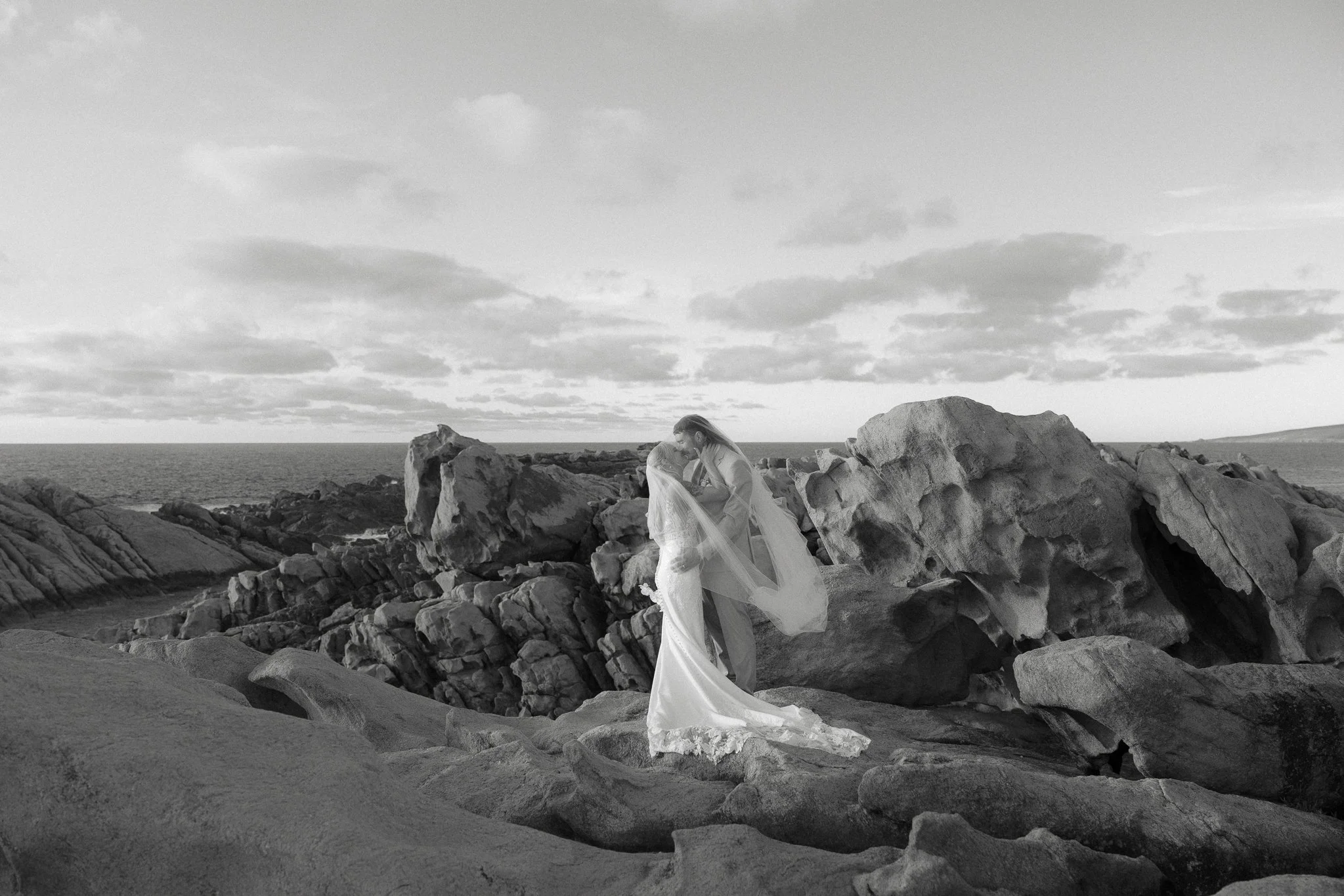
7. How Many Photos Will We Receive?
The number of images delivered varies between photographers.
Some provide 400 images while others deliver 800 or more depending on coverage hours.
Instead of focusing purely on quantity, consider the quality and storytelling of the gallery.
A well curated gallery should include:
Getting ready moments
Ceremony highlights
Emotional candid moments
Portraits of the couple
Guest interactions
Reception atmosphere
These elements create a complete visual narrative of your wedding day.
8. How Long Will It Take to Receive Our Wedding Photos?
Wedding photography editing takes time. Professional photographers often spend many hours carefully selecting and editing images.
Typical turnaround times range from 4 to 12 weeks depending on the photographer’s workflow and the time of year.
Ask about:
When you’ll receive preview images
Full gallery delivery timeline
Whether albums are offered later
Clear expectations prevent frustration later on.
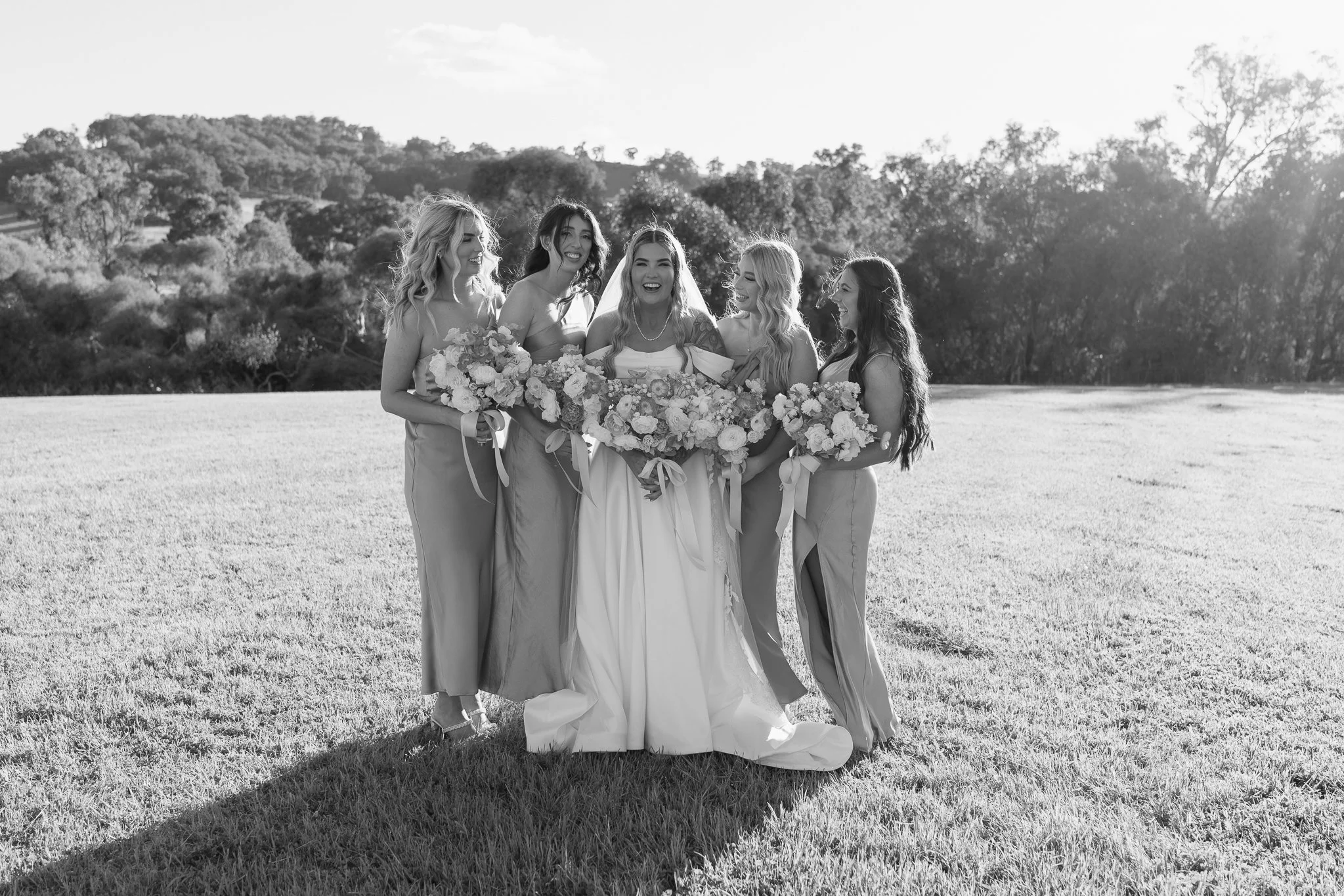
9. Do You Work With a Second Photographer?
Some photographers work alone while others bring a second photographer.
Second photographers can be valuable because they allow for multiple perspectives.
For example:
One photographer capturing the ceremony from the aisle
Another capturing reactions from guests
Simultaneous coverage of both partners getting ready
This can add depth and variety to your gallery.
However, experienced solo photographers can still cover weddings beautifully, so it ultimately depends on the scale of the event.
10. What Happens If You’re Unable to Photograph Our Wedding?
It’s rare, but emergencies can happen.
Professional photographers should have contingency plans.
Ask whether they:
Have a network of trusted photographers who can step in
Offer refunds or alternative coverage
Carry insurance
A professional contract should clearly outline these policies.
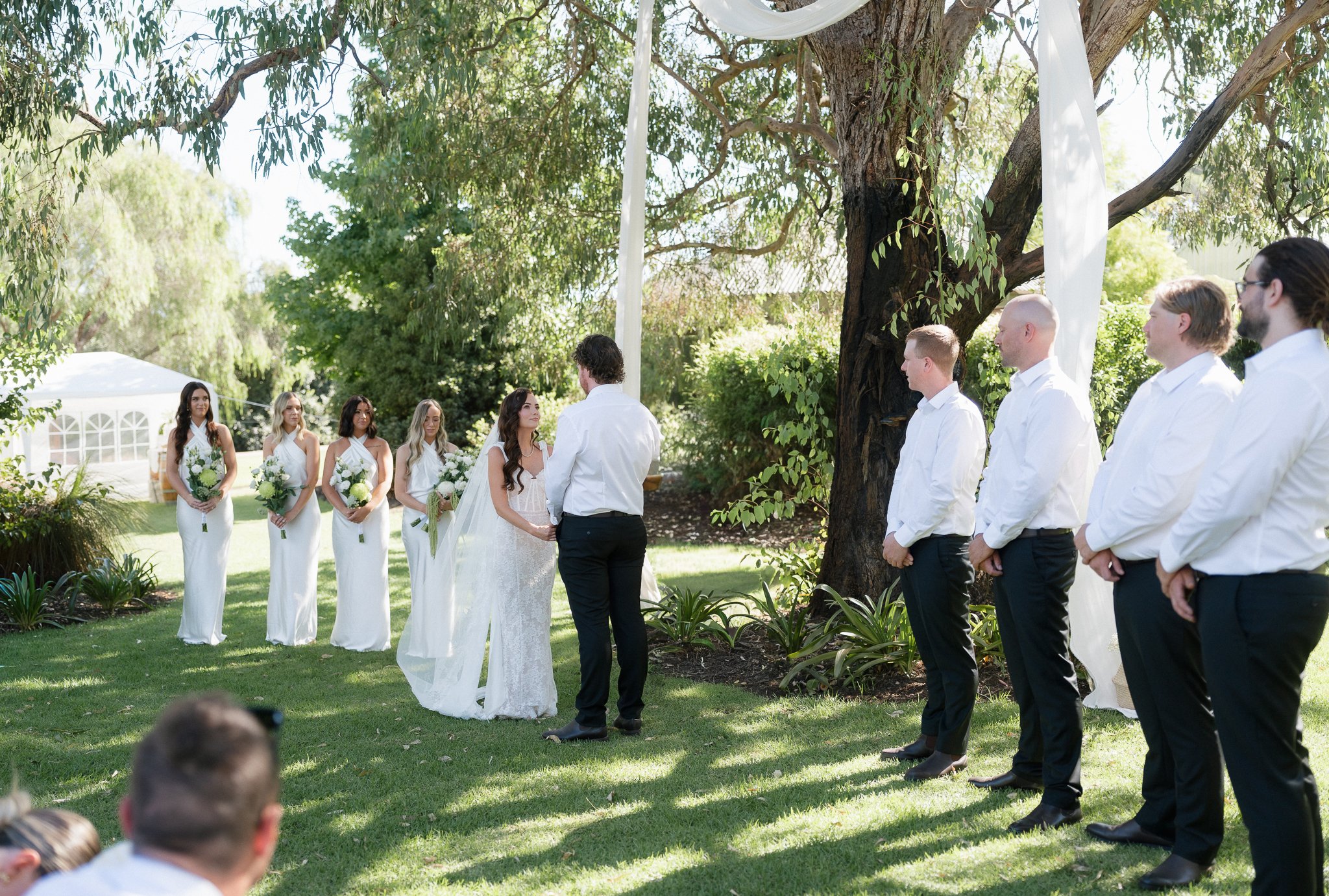
Red Flags to Watch For When Booking a Wedding Photographer
While asking the right questions helps you identify great photographers, it can also reveal potential problems.
Be cautious if a photographer:
Refuses to share full wedding galleries
Doesn’t provide a contract
Takes days or weeks to reply to emails
Offers unusually low pricing compared to others in the market
Cannot clearly explain their process
Your photographer will spend more time with you on your wedding day than almost any other vendor. Professionalism and communication are essential.
How to Know When You’ve Found the Right Photographer
Beyond experience and portfolio, there’s another factor couples often overlook.
Connection.
Your photographer will be with you during emotional moments, family interactions, and intimate portraits.
You should feel comfortable around them.
Signs you’ve found the right fit include:
They communicate clearly and promptly
They understand your priorities
They offer helpful advice without pressure
They make you feel relaxed and confident
When these elements align, the experience becomes far more enjoyable and the photos reflect that comfort.
Final Thoughts
Booking your wedding photographer shouldn’t feel like a gamble.
By asking thoughtful questions and understanding what truly matters, you can confidently choose someone who will document your wedding day beautifully.
The best photographers combine technical skill, organisation, creativity, and genuine care for their couples.
When you find that balance, you’re not just hiring someone to take photos. You’re trusting them to preserve one of the most meaningful days of your life.
Taking the time to ask the right questions ensures that the person behind the camera is fully equipped to tell your story in a way that feels authentic, timeless, and unforgettable.